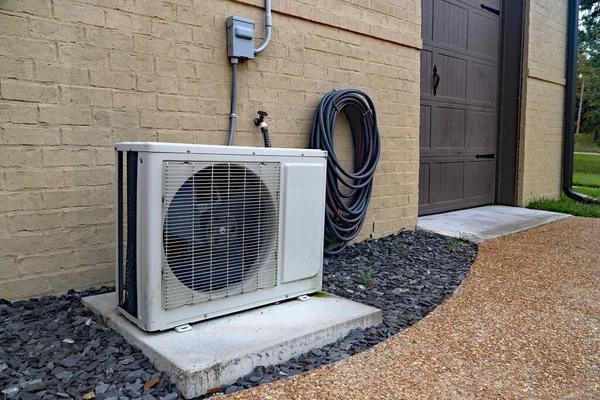
Mini split systems have become increasingly popular as an effective solution for better indoor temperature control. Unlike traditional central heating and cooling units, mini splits offer a flexible and energy-efficient way to regulate the climate in individual rooms or zones within a building. These systems consist of two main components: an outdoor compressor unit and one or more indoor air-handling units. The connection between these components is typically established through refrigerant lines, which allow the system to transfer heat efficiently without the need for extensive ductwork.
One of the primary advantages of mini splits is their ability to provide targeted comfort. Each indoor unit can be controlled independently, allowing occupants to adjust temperatures according to personal preferences in different areas of a home or office. This zoning capability not only enhances comfort but also helps reduce energy consumption by avoiding unnecessary heating or cooling in unoccupied spaces.
Installation flexibility is another significant benefit of Mini Split solutions. Because they do not require ducts, these systems are ideal for homes with limited space or where adding ductwork would be impractical or costly. Mini splits can be mounted on walls, ceilings, or floors depending on room layout and aesthetic considerations. This versatility makes them suitable for new construction projects as well as retrofits in older buildings that lack existing HVAC infrastructure.
Energy efficiency plays a crucial role in the appeal of mini split systems. Many models feature inverter-driven compressors that adjust their speed based on demand rather than operating at full capacity all the time. This variable-speed technology leads to lower electricity usage compared to conventional HVAC equipment that cycles on and off frequently. Additionally, modern mini splits often come equipped with advanced filtration options that improve indoor air quality by capturing dust, allergens, and other airborne particles.
Maintenance requirements for mini split systems tend to be straightforward since they have fewer mechanical parts exposed indoors compared to traditional setups with large duct networks prone to leaks and contamination. Regular cleaning of filters and periodic professional inspections help ensure optimal performance over time.
In summary, mini split solutions offer precise temperature control tailored to specific zones while promoting energy savings through efficient operation without bulky ductwork installations. Their adaptability suits diverse architectural needs whether upgrading existing properties or designing new ones from scratch. For those seeking improved comfort combined with reduced utility costs and enhanced air quality benefits, investing in a well-designed mini split system represents a smart choice for managing indoor environments effectively throughout the year.