Category: Product

  • Choosing the Right Commercial Sink for Your Business

    Choosing the Right Commercial Sink for Your Business

    Selecting the appropriate commercial sink for your business is a crucial decision that can significantly impact daily operations, hygiene standards, and overall efficiency. Whether you run a restaurant, healthcare facility, or manufacturing plant, understanding the specific needs of your establishment will guide you toward the best choice. The first consideration involves assessing the type of tasks the sink must accommodate. For example, food preparation areas require sinks designed to handle frequent washing of ingredients and utensils, while janitorial spaces might need larger utility sinks capable of managing heavy-duty cleaning supplies and equipment. Knowing these functional requirements helps narrow down options effectively.

    Material selection plays an essential role in durability and maintenance. Stainless steel remains the most popular choice due to its resistance to corrosion, ease of cleaning, and ability to withstand high temperatures. It also meets health codes in many industries because it does not harbor bacteria when properly maintained. However, other materials such as epoxy resin or composite granite may be suitable for certain environments where chemical resistance or noise reduction is a priority. Understanding how each material responds under typical usage conditions ensures longevity and reduces replacement costs over time.

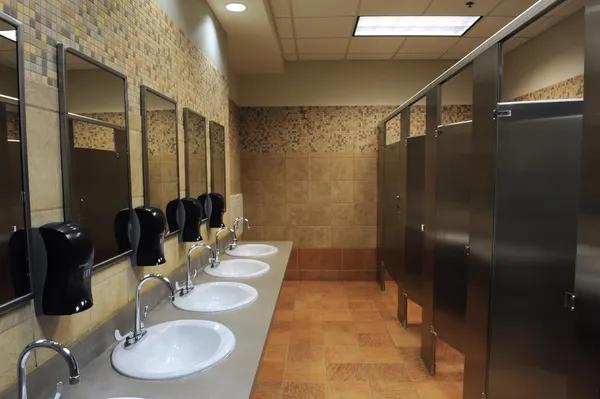
    Size and configuration are equally important factors to consider when choosing a Commercial Sink. The available space within your workspace dictates maximum dimensions; however, operational demands influence whether single-compartment or multi-compartment models are preferable. Multi-compartment sinks allow users to separate washing stages-such as soaking, scrubbing, and rinsing-which enhances workflow efficiency in busy kitchens or laboratories. Depth also matters since deeper basins accommodate larger pots or equipment but may require additional ergonomic considerations for staff comfort during prolonged use.

    Plumbing compatibility should not be overlooked during selection since improper installation can lead to leaks or inadequate drainage that disrupts work processes. Ensuring that water supply lines match faucet types and drain sizes align with existing plumbing infrastructure simplifies setup while preventing costly modifications later on. Additionally, selecting faucets with features like pre-rinse sprayers can improve functionality by speeding up cleaning tasks without increasing water consumption excessively.

    Compliance with local health regulations is mandatory when installing commercial sinks in food service establishments or medical facilities. These rules often specify minimum compartment sizes, drainage requirements, and materials allowed for contact surfaces to prevent contamination risks effectively. Consulting guidelines early in the purchasing process avoids potential legal issues after installation.

    Ultimately, choosing the right commercial sink depends on balancing practical needs with budget constraints while prioritizing hygiene standards critical for business success. Taking time to evaluate task-specific functions alongside material durability and regulatory compliance results in an efficient workspace tailored precisely to operational demands without unnecessary expenditure on features unlikely to add value over time.
  • Mini Split Solutions for Better Indoor Temperature Control

    Mini Split Solutions for Better Indoor Temperature Control

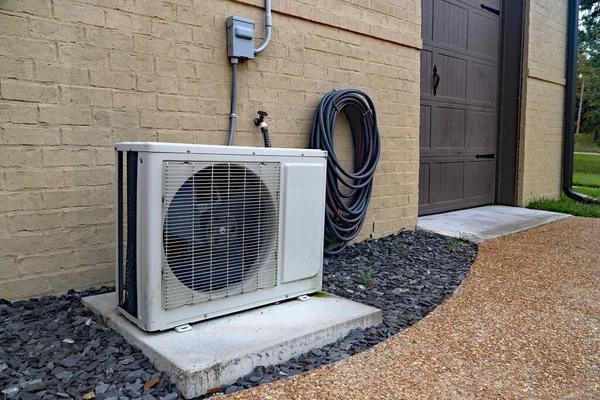
    Mini split systems have become increasingly popular as an effective solution for better indoor temperature control. Unlike traditional central heating and cooling units, mini splits offer a flexible and energy-efficient way to regulate the climate in individual rooms or zones within a building. These systems consist of two main components: an outdoor compressor unit and one or more indoor air-handling units. The connection between these components is typically established through refrigerant lines, which allow the system to transfer heat efficiently without the need for extensive ductwork.

    One of the primary advantages of mini splits is their ability to provide targeted comfort. Each indoor unit can be controlled independently, allowing occupants to adjust temperatures according to personal preferences in different areas of a home or office. This zoning capability not only enhances comfort but also helps reduce energy consumption by avoiding unnecessary heating or cooling in unoccupied spaces.

    Installation flexibility is another significant benefit of Mini Split solutions. Because they do not require ducts, these systems are ideal for homes with limited space or where adding ductwork would be impractical or costly. Mini splits can be mounted on walls, ceilings, or floors depending on room layout and aesthetic considerations. This versatility makes them suitable for new construction projects as well as retrofits in older buildings that lack existing HVAC infrastructure.

    Energy efficiency plays a crucial role in the appeal of mini split systems. Many models feature inverter-driven compressors that adjust their speed based on demand rather than operating at full capacity all the time. This variable-speed technology leads to lower electricity usage compared to conventional HVAC equipment that cycles on and off frequently. Additionally, modern mini splits often come equipped with advanced filtration options that improve indoor air quality by capturing dust, allergens, and other airborne particles.

    Maintenance requirements for mini split systems tend to be straightforward since they have fewer mechanical parts exposed indoors compared to traditional setups with large duct networks prone to leaks and contamination. Regular cleaning of filters and periodic professional inspections help ensure optimal performance over time.

    In summary, mini split solutions offer precise temperature control tailored to specific zones while promoting energy savings through efficient operation without bulky ductwork installations. Their adaptability suits diverse architectural needs whether upgrading existing properties or designing new ones from scratch. For those seeking improved comfort combined with reduced utility costs and enhanced air quality benefits, investing in a well-designed mini split system represents a smart choice for managing indoor environments effectively throughout the year.

  • When you should call for emergency tree removal immediately

    When you should call for emergency tree removal immediately

    Trees add beauty and value to any property, but they can also pose significant risks when damaged or unhealthy. Knowing when to call for emergency tree removal is crucial to protect your safety, property, and the surrounding environment. Immediate action is necessary when a tree presents an imminent danger that cannot wait for routine maintenance or scheduled removal.

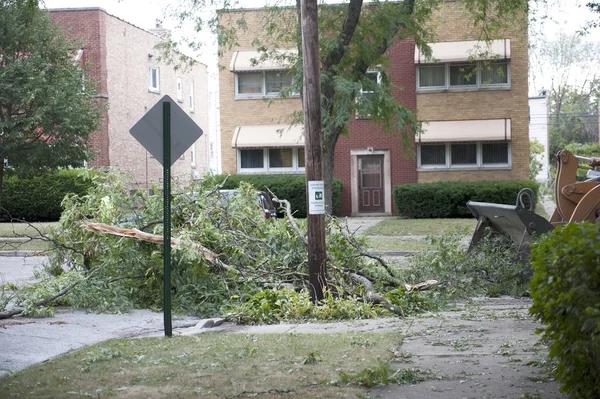
    One clear sign that emergency tree removal is needed occurs after severe weather events such as storms, heavy winds, or lightning strikes. Trees may become unstable due to broken branches, split trunks, or loosened roots. If you notice a tree leaning dangerously toward your home, power lines, vehicles, or walkways following bad weather, it’s essential to contact professionals right away. A compromised tree in these situations could fall without warning and cause serious injury or damage.

    Another urgent scenario involves trees affected by disease or infestation that threatens their structural integrity rapidly. Certain fungal infections can decay wood internally while leaving the outer appearance seemingly normal until sudden collapse happens. Similarly, insect infestations like termites or beetles may weaken a tree’s core over time but require immediate attention once signs of instability appear. In such cases where a weakened tree poses risk of falling unexpectedly on people or structures nearby, emergency removal safeguards against potential disasters.

    Trees with large dead limbs hanging precariously are also candidates for prompt removal services. Dead branches can break off easily under their own weight or due to minor disturbances like wind gusts and vibrations from traffic passing by. These falling limbs create hazards in public spaces such as parks and sidewalks as well as private yards near homes and play areas for children.

    If a fallen tree blocks access roads during emergencies-such as fire trucks needing entry-or obstructs driveways preventing evacuation routes during critical times like floods or fires; immediate professional intervention becomes necessary not only for safety but also to restore accessibility quickly.

    Furthermore, trees growing too close to electrical wires demand swift attention since contact between branches and power lines increases risks of electrical outages and fires. Utility companies often recommend contacting certified arborists trained in safely handling these hazardous removals without causing additional harm.

    Waiting too long before addressing dangerous trees increases liability concerns homeowners face if accidents occur involving neglected vegetation on their property. emergency tree removal experts provide timely assessments using specialized equipment that prevents further damage while ensuring safe extraction procedures tailored specifically for high-risk conditions.

    In summary, calling for emergency tree removal should never be delayed if there are visible signs of instability after storms; rapid deterioration caused by disease; large dead limbs threatening public safety; obstructions blocking vital pathways; or hazardous proximity to electrical wires exists around your property. Taking quick action reduces risks substantially by protecting lives and minimizing costly repairs related to unexpected falls of unsafe trees. Always rely on experienced professionals who understand how best to manage urgent situations with care and efficiency so you can maintain a secure environment at all times.