In the rapidly evolving landscape of energy production, modern power plants are tasked with meeting increasing demands for electricity while ensuring safety and efficiency. A critical component that plays a pivotal role in achieving these goals is the transformer blast wall. This essential structure serves as a protective barrier designed to mitigate risks associated with transformer failures, which can have catastrophic consequences for both human life and infrastructure.
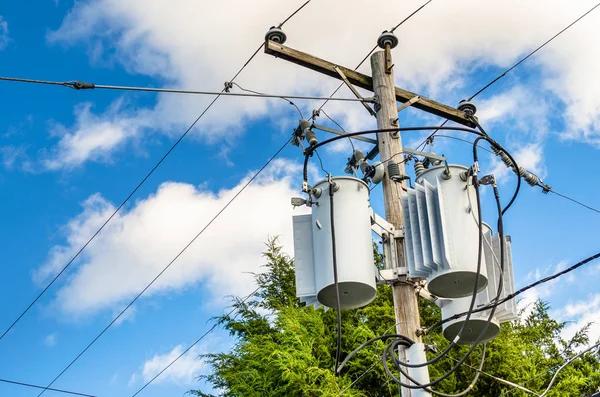
Transformers are integral to power plants as they facilitate the efficient transmission of electricity by stepping up or stepping down voltage levels. Despite their robust design, transformers are susceptible to faults due to various factors such as electrical overloads, insulation failure, or external events like lightning strikes. When a fault occurs, it can lead to an explosion or fire, releasing immense energy that poses significant hazards.
A reliable transformer blast wall acts as a first line of defense against such incidents. It is engineered to withstand high-impact forces and thermal stresses generated during an explosion. By containing explore the full story blast and preventing debris from spreading across sensitive areas of the plant, these walls protect vital equipment and personnel from harm. Furthermore, they help in minimizing downtime by isolating the affected area, allowing other sections of the plant to continue operating safely.
The implementation of transformer blast walls also aligns with stringent regulatory requirements aimed at enhancing safety standards within industrial settings. Regulatory bodies around the world mandate specific safety measures that include protective barriers like blast walls to safeguard against potential disasters. Compliance with these regulations not only ensures operational continuity but also demonstrates a commitment to corporate responsibility and public safety.
Moreover, investing in reliable transformer blast walls contributes significantly towards risk management strategies employed by power plant operators. The financial implications of a transformer explosion can be staggering when considering repair costs, legal liabilities, insurance claims, and reputational damage. By proactively installing robust protective measures such as blast walls, companies mitigate these risks effectively while fostering trust among stakeholders including investors and local communities.
Technological advancements have further improved the efficacy of modern transformer blast walls through innovative materials and construction techniques that enhance durability without compromising on space or aesthetic considerations within plant designs. As renewable energy sources become more prevalent alongside traditional fossil fuel-based generation methods; integrating adaptable solutions like versatile blast wall systems becomes increasingly important for future-proofing facilities against diverse challenges posed by different energy technologies.
In conclusion; every modern power plant requires reliable transformer blast walls not only because they play an indispensable role in safeguarding lives but also due their contribution towards maintaining uninterrupted operations amidst unforeseen adversities thereby reinforcing overall resilience within today’s dynamic energy sector landscape.