Tag: Air Conditioner

  • Potential HVAC Problems Caused by Too Many Closed Air Vents

    Potential HVAC Problems Caused by Too Many Closed Air Vents

    Closing air vents in your home might seem like a simple way to control temperatures and save energy, but it can lead to several potential HVAC problems. Understanding these issues is crucial for maintaining an efficient and long-lasting heating, ventilation, and air conditioning (HVAC) system.

    When you close air vents in certain rooms with the intention of directing airflow elsewhere or reducing energy consumption, you inadvertently disrupt the balance of your HVAC system. Modern HVAC systems are designed to operate under specific conditions that include a balanced distribution of airflow throughout the ductwork. By closing off vents, you alter this balance, which can result in increased pressure within the ducts. This heightened pressure forces your HVAC system to work harder than necessary to circulate air properly throughout your home.

    One significant consequence of increased pressure is decreased efficiency. When an HVAC system operates under strain due to closed vents, it consumes more energy as it attempts to maintain desired temperature levels across all areas of the house. Consequently, instead of saving on energy bills as intended by closing vents, homeowners may find themselves facing higher costs due to inefficient operation.

    Moreover, excessive pressure build-up within ducts can lead to leaks or damage over time. Ductwork check our website is typically constructed from materials designed for specific pressure levels; when these limits are exceeded consistently because too many vents are closed off, seams and joints may weaken or separate entirely. This not only reduces overall efficiency but also leads to costly repairs down the line.

    Another issue stemming from closed air vents is uneven heating or cooling throughout living spaces. Rooms with open vents will receive more conditioned air than those with closed ones—resulting in hot spots during summer months or cold zones during winter periods where comfort becomes elusive without continuously adjusting settings manually via thermostat controls located centrally inside homes rather than locally per room basis which would otherwise provide better localized climate management solutions tailored specifically towards individual needs/preferences based upon occupancy patterns at any given moment day/night cycle alike!

    Additionally—and perhaps most concerning—is how restricted airflow affects indoor air quality negatively over time since less circulation means pollutants tend accumulate faster indoors leading potentially serious health risks especially vulnerable populations such children elderly individuals suffering respiratory ailments allergies asthma etcetera making imperative ensure proper ventilation always maintained regardless whether trying conserve resources short-term gains ultimately outweighed longer-term consequences poor decision-making practices regarding household environmental control measures implemented indiscriminately without fully understanding ramifications involved therein! Therefore advisable consult professional advice before deciding take matters own hands risking unintended detrimental outcomes affecting both personal well-being financial stability future prospects alike!
  • Air Conditioner Replacement Mistakes You Should Avoid

    Air Conditioner Replacement Mistakes You Should Avoid

    Replacing an air conditioner is a significant investment that requires careful planning and consideration. Many homeowners make mistakes during this process, leading to higher costs, inefficient cooling, or premature equipment failure. Avoiding common pitfalls can help ensure a smooth transition to a new system that meets your needs effectively.

    One frequent mistake is failing to assess the correct size of the replacement unit. Choosing an air conditioner that is too large for your space may result in short cycling, where the system turns on and off frequently without properly dehumidifying or cooling the room. Conversely, selecting a unit that is too small will struggle to maintain comfortable temperatures and run continuously, increasing wear and energy consumption. Proper sizing involves calculating the square footage of your home along with factors like insulation quality, window placement, and local climate conditions.

    Air Conditioner Replacement

    Another error often made is neglecting energy efficiency ratings when purchasing a new air conditioner. Modern systems come with Seasonal Energy Efficiency Ratio (SEER) ratings indicating their performance relative to electricity use. Opting for units with low SEER values might save money upfront but lead to much higher utility bills over time. Investing in models with high efficiency not only reduces operational costs but also contributes positively toward environmental sustainability.

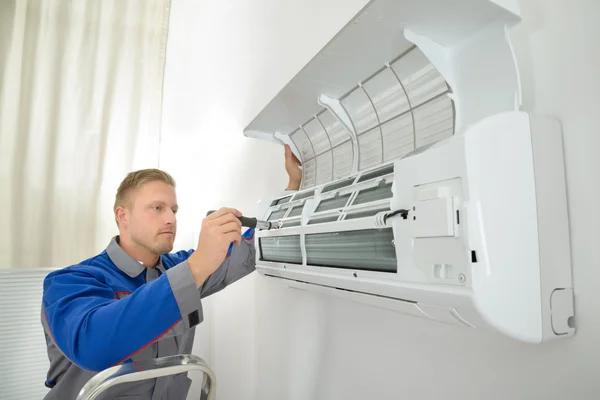
    Ignoring professional installation requirements can also cause problems after replacement. Air conditioning systems are complex appliances involving refrigerant handling, electrical connections, and precise calibration of components such as thermostats and compressors. Attempting DIY installation or hiring unqualified technicians increases risks of leaks, poor airflow distribution, or voided warranties. Licensed HVAC professionals have expertise in matching equipment specifications with existing ductwork layouts while adhering to safety standards.

    Additionally, skipping routine maintenance before replacing an old unit can obscure underlying issues affecting performance expectations from the new system. Problems like clogged filters or damaged ducts should be addressed beforehand so you don’t mistakenly blame the replacement for ongoing discomforts.

    Failing to consider indoor air quality features during selection limits potential benefits beyond temperature control alone. Many modern air conditioners incorporate advanced filtration systems capable of reducing allergens or pollutants inside living spaces-a valuable feature for those prone to respiratory sensitivities.

    Lastly, rushing into purchase decisions without comparing multiple quotes often leads buyers into paying get more information than necessary or choosing suboptimal products based on aggressive sales tactics rather than informed evaluation.

    Mercury Home Services
    Fallston, MD 21047
    443-616-1589