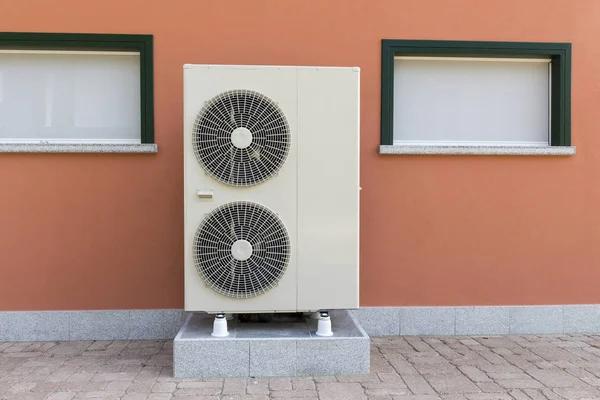
Improving heating and cooling systems is essential for enhancing comfort in any home or office environment. Efficient temperature regulation not only ensures a pleasant atmosphere but also contributes to energy savings and reduced utility bills. One of the most effective ways to upgrade comfort levels is by investing in modern HVAC (heating, ventilation, and air conditioning) equipment. Newer models often incorporate advanced technology that allows for better temperature control, quieter operation, and improved air quality compared to older units.
Proper maintenance plays a crucial role in optimizing the performance of heating and cooling systems. Regularly replacing filters helps maintain airflow and prevents dust buildup, which can reduce system efficiency. Cleaning ducts and vents ensures that conditioned air circulates freely throughout the space, avoiding hot or cold spots that cause discomfort. Scheduling professional inspections at least once a year allows technicians to identify potential issues early on, such as refrigerant leaks or worn-out components, thereby extending the lifespan of the system.
Another significant improvement involves enhancing insulation within the building structure. Well-insulated walls, ceilings, and floors minimize heat loss during winter months while keeping interiors cooler in summer. Sealing gaps around windows and doors prevents drafts that undermine indoor comfort levels. Upgrading windows to double or triple glazing can further reduce thermal exchange with outdoor air, maintaining consistent temperatures inside regardless of external weather conditions.
Smart thermostats have revolutionized how people manage their home environments by providing precise control over Scottsdale Heating and Cooling schedules through user-friendly interfaces accessible via smartphones or voice commands. These devices learn occupants’ habits over time to optimize energy use without sacrificing comfort. For example, they can lower heating when no one is home but ensure rooms are warm upon return.
Ventilation improvements also contribute significantly to indoor comfort by balancing humidity levels alongside temperature regulation. Using exhaust fans in kitchens and bathrooms removes excess moisture generated from cooking or showers before it causes mold growth or musty odors indoors.
Incorporating ceiling fans complements HVAC systems by circulating air more effectively throughout rooms without drastically changing thermostat settings. This method reduces reliance on mechanical cooling during warmer seasons while distributing heated air evenly during colder periods.
By combining updated equipment with proper maintenance practices, enhanced insulation measures, smart controls, effective ventilation strategies, and supplemental airflow solutions like ceiling fans, homeowners can achieve superior heating and cooling performance tailored for maximum comfort year-round while minimizing environmental impact through efficient energy use.