Commercial refrigeration is a critical component for many businesses, especially those in the food service, retail, and hospitality industries. Understanding the essentials of commercial refrigeration can help business owners maintain product quality, ensure safety, and optimize operational efficiency. One of the primary considerations is selecting the right type of refrigeration unit based on the specific needs of the business. Commercial refrigerators come in various forms such as reach-in coolers, walk-in freezers, under-counter units, and display cases. Each serves different purposes; for instance, walk-in freezers are ideal for bulk storage while reach-in refrigerators offer easy access to frequently used items.
Temperature control is another fundamental aspect that businesses must grasp. Maintaining consistent temperatures within recommended ranges prevents spoilage and bacterial growth. Most perishable goods require temperatures between 32°F to 40°F (0°C to 4°C) for refrigeration and below 0°F (-18°C) for freezing. Regular monitoring using built-in thermometers or external devices ensures these standards are met consistently. Fluctuations can compromise food safety and lead to costly waste.
Energy efficiency plays a significant role in managing operating costs associated with Commercial Refrigeration systems. Modern units often feature advanced insulation materials, energy-efficient compressors, LED lighting, and smart controls that reduce electricity consumption without sacrificing performance. Investing in energy-efficient models not only lowers utility bills but also contributes to environmental sustainability efforts.
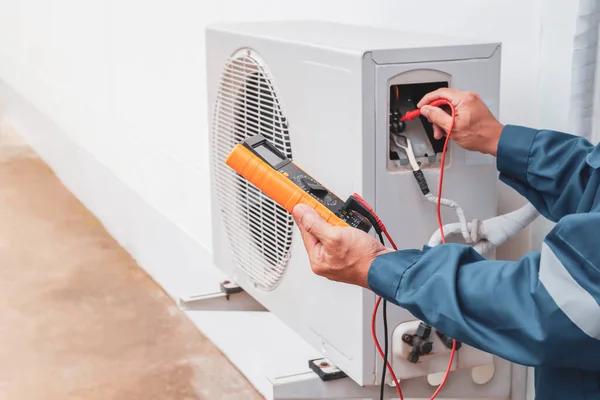
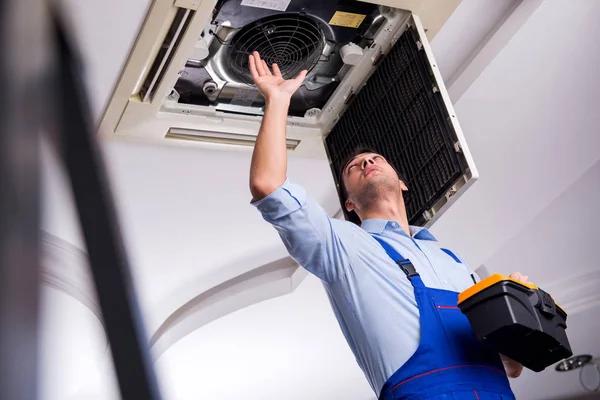
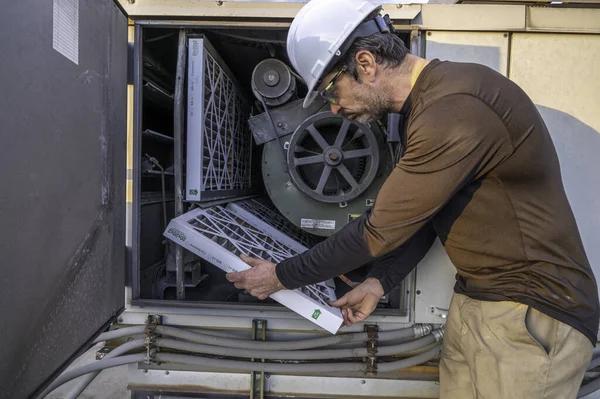
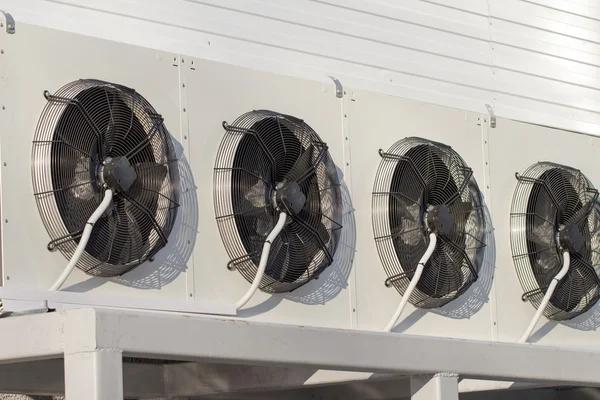
Proper maintenance routines are essential to prolonging equipment lifespan and preventing unexpected breakdowns that could disrupt business operations. Cleaning condenser coils regularly helps improve heat exchange efficiency while checking door seals prevents cold air leakage. Scheduling professional inspections allows early detection of refrigerant leaks or mechanical issues before they escalate into major repairs.
Another important factor is understanding compliance with health regulations governing food storage practices within refrigerated environments. Businesses must adhere to local health codes which often specify temperature requirements along with cleanliness standards inside refrigeration units to avoid penalties during inspections.
Choosing reputable suppliers or manufacturers when purchasing commercial refrigeration equipment ensures reliability and access to customer support services such as warranties or repair assistance if needed over time.
In summary, mastering the essentials of commercial refrigeration involves selecting appropriate units tailored to operational needs, maintaining strict temperature control protocols, prioritizing energy efficiency measures, conducting regular maintenance checks, complying with health regulations relevant to food safety standards, and partnering with trusted equipment providers-all contributing toward smooth business functionality while safeguarding product integrity effectively throughout daily use cycles.