
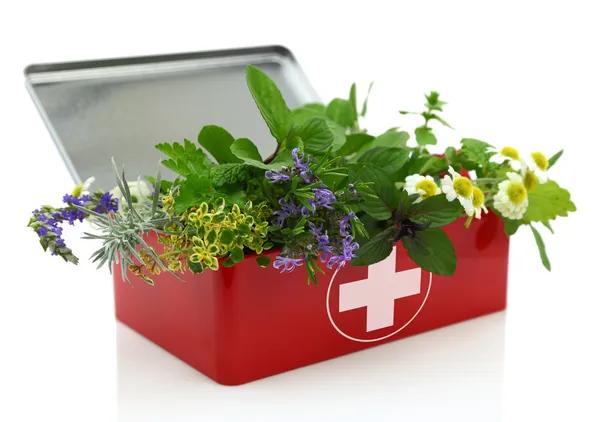
In today’s fast-paced world, stress has become an almost inevitable part of daily life. While traditional methods such as exercise, meditation, and therapy are well-regarded strategies for managing stress, there is a growing interest in plant-based supplements as a natural alternative to support stress management. Expert insights suggest that these supplements can play a significant role in enhancing mental well-being and reducing anxiety levels.
Plant-based supplements are derived from herbs, roots, fruits, and leaves known for their therapeutic properties. One of the most researched categories includes adaptogens—natural substances believed to help the body adapt to stress. Adaptogens like Ashwagandha have been used in Ayurvedic medicine for centuries. Experts highlight Ashwagandha’s ability to lower cortisol levels—the hormone responsible for stress—and improve overall mental clarity and focus.
Another popular supplement is Rhodiola Rosea, which has shown promise in alleviating fatigue and enhancing mood by balancing neurotransmitters associated with emotional stability. Studies have indicated that Rhodiola may also increase resilience against physical and mental exhaustion during stressful periods.
Experts also point to the benefits of Omega-3 fatty acids found in flaxseeds and chia seeds. These essential fats contribute significantly to brain health by reducing inflammation—a common physiological response linked with chronic stress—and promoting neuroplasticity which aids cognitive D8 GAS function under pressure.
Chamomile is another plant often recommended by experts due to its calming effects on the nervous system. Known primarily as a tea ingredient, chamomile contains apigenin—a compound that binds with brain receptors promoting relaxation without sedation or dependency risks associated with pharmaceutical options.
Furthermore, magnesium-rich plants such as spinach or almonds are emphasized for their role in regulating neurotransmitters involved in mood regulation. Magnesium deficiency has been correlated with increased anxiety; thus incorporating it through diet or supplementation could mitigate some symptoms related to heightened stress responses.